8 books for readers, lovers, and fighters
A reading guide for cautious optimists and people who like to get things done.
There’s a sense—hard to quantify, difficult to ignore—that new energy is gathering. The tide is shifting. A door is opening. Dawn is breaking.
Choose your metaphor.
It feels like an appropriate season for cautious optimists. Many of us at AGO identify as such. But we like our optimism to be applied and actionable.
So this past year, we read books about how change happens: through coalitions, through culture, through storytelling, and through our relationship to the natural world. We read about resistance and renewal, about power and how it shifts, about the systems we inherit and the ones we might yet build. These books sharpened our thinking, whetted our imagination, and prepared us to seize whatever opportunities present themselves.
We think this year's guide is ideal for lovers (of people, of nature, of democracy), fighters (for human rights and the greater social good), and, of course, for readers (because these books are objectively great). We hope you and yours will find them as inspiring and thought-provoking as we did.
So this past year, we read books about how change happens: through coalitions, through culture, through storytelling, and through our relationship to the natural world. We read about resistance and renewal, about power and how it shifts, about the systems we inherit and the ones we might yet build. These books sharpened our thinking, whetted our imagination, and prepared us to seize whatever opportunities present themselves.
We think this year's guide is ideal for lovers (of people, of nature, of democracy), fighters (for human rights and the greater social good), and, of course, for readers (because these books are objectively great). We hope you and yours will find them as inspiring and thought-provoking as we did.

The Director by Daniel Kehlmann
Stranded behind enemy lines at the outbreak of World War II, a celebrated German filmmaker is forced into a series of compromises with the Nazi regime he detests. Loosely based on the actual life of G.W. Pabst, the book probes the uneasy gray areas where art, ambition, and power collide, and explores whether it’s ever possible to remain untouched by the systems we participate in.
“The most brilliant thing about this book is that you understand and sympathize with every decision Pabst makes until all of a sudden you realize that you (and he) have ended up somewhere very dark. The book is about how quickly moral clarity can erode and the millions of every day citizens it takes to enable a demagogue." —Rachel Thomas, Senior Writer
Where to buy it: Bookshop.org, Libro.fm (audiobook)
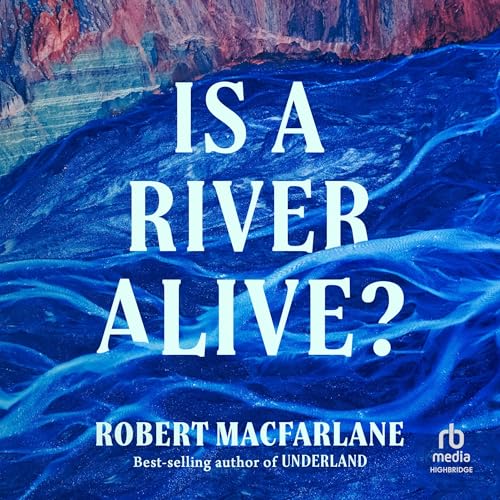
Is a River Alive? by Robert Macfarlane
Is a River Alive? is part travel writing, part natural history, and part reportage. In it, renowned British nature writer Robert Macfarlane journeys to Ecuador, India, and Canada, introducing readers to landscapes and communities shaped by water and the forces that threaten it. Often, his writing is vivid, immersive, and lush. Sometimes it tips into sentimentality, but we can forgive Macfarlane for being—as we are—awestruck by the natural world.
“This book is both an adventure and a meditation on the rights of nature movement, told through vignettes of rivers and the water keepers who fight to protect them. Think Jungle Cruise meets Braiding Sweetgrass. It's a perfect reprieve when city life or current events get too oppressive.” —Carla Yuen, Strategy Director
Where to buy it: Bookshop.org, Libro.fm (audiobook)
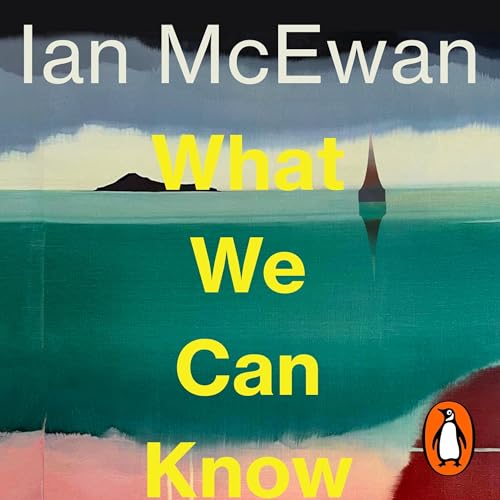
What We Can Know by Ian McEwan
Set just over a century in the future, What We Can Know imagines a world reshaped by catastrophe, where rising seas have swallowed much of the West and the remnants of society live among the ghosts of what was lost. Despite its dramatic undercurrents—murder, revenge, buried treasure, literary arson—the novel proceeds with a quiet, almost dreamlike restraint. There's a moral to this story, but only for those open to it.
“It's so easy to get swept away by the doominess of our news and social media feeds. This novel offers up a devastated but completely avoidable future, then invites us to consider how much we take for granted and how much power we have—right now—to save what we love." —Gillian O'Neill, Executive Director
Where to buy it: Bookshop.org, Libro.fm (audiobook)
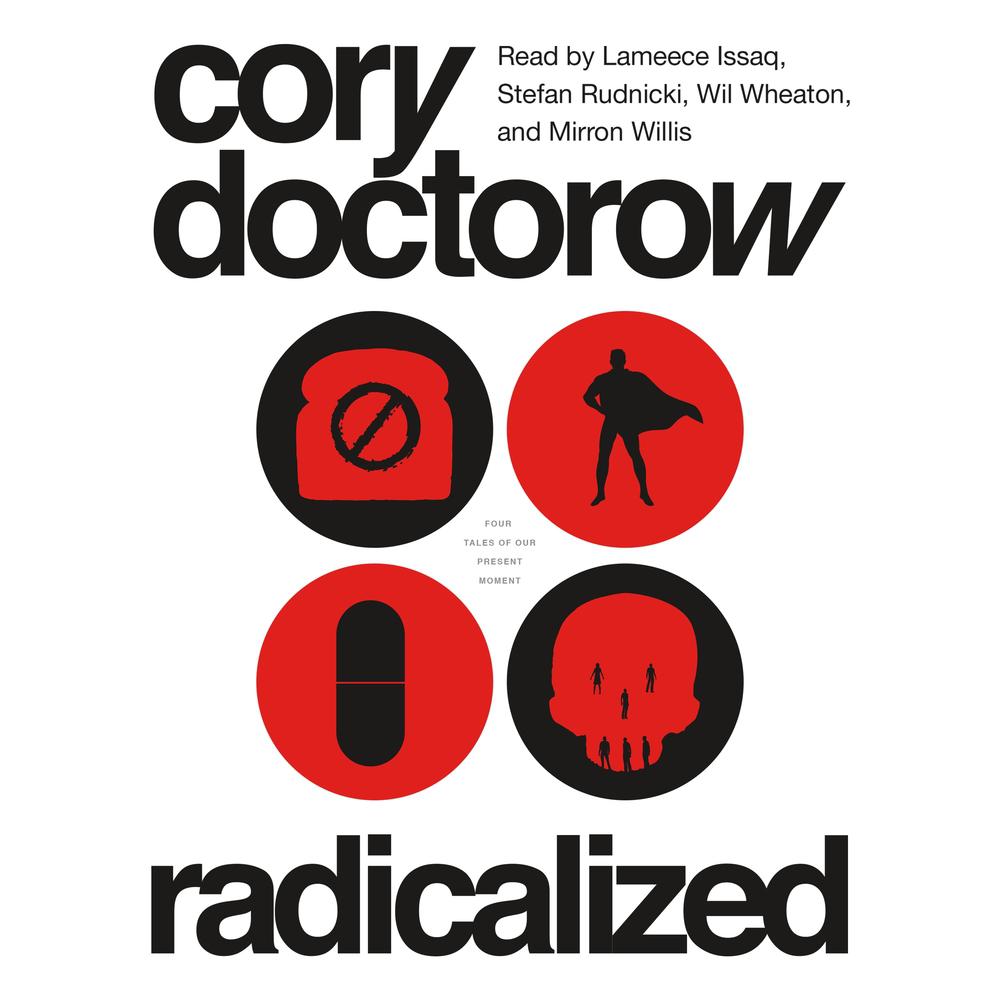
Radicalized by Cory Doctorow
Like other books in this year’s reading guide, Radicalized travels to the future to help us better understand the world we live in now—in this case, a near-future America that feels uncomfortably close to our own. Across four sci-fi novellas, Cory Doctorow explores how brittle, unjust systems shape everyday life, and how, especially in moments of crisis, people find ways to resist, adapt, and fight for something better.
"I’ve always been fascinated by science fiction, and I found the stories Cory Doctorow imagines in this book especially compelling and thought-provoking. Doctorow doesn’t deal in abstract futures; he draws straight lines from today’s systems to tomorrow’s consequences." —Marco Grasso, Senior Designer
Where to buy it: Bookshop.org, Libro.fm (audiobook)
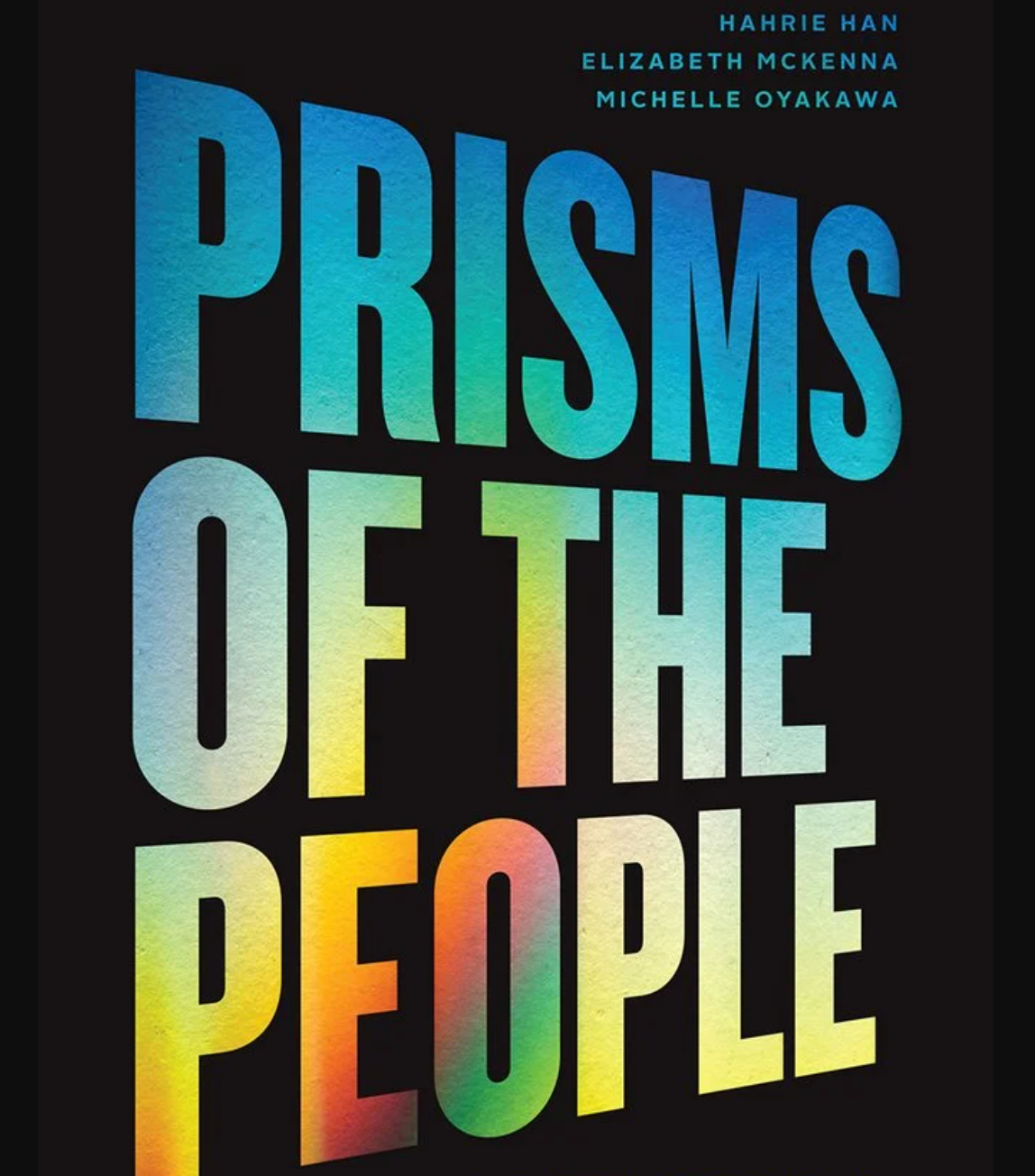
Prisms of the People
by Hahrie Han, Elizabeth McKenna
& Michelle Oyakawa
How do grassroots movements actually build power? This is a question we spend a lot of time thinking about at AGO, and one this book attempts to answer. Drawing on research from six movements across the United States, the authors demonstrate that success isn’t only about mobilizing large numbers of people, but also transforming participation into sustained, strategic action. Hear, hear!
"This book highlights the organizational choices, leadership development, and long-term strategies that allow high-potential progressive groups to build power even though they are numerically a minority." —Prab Laoharojanaphan, Program Director, Thailand
Where to buy it: Bookshop.org
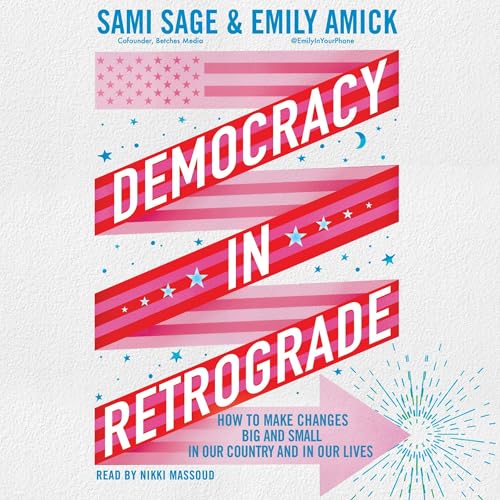
Democracy in Retrograde
by Sami Sage & Emily Amick
Democracy in Retrograde is another book that belongs in the AGO canon: an optimistic, practical guide to what everyday civic engagement can look like in the face of mass apathy and anxiety. The authors argue (and we agree!) that meaningful change begins with consistent, collective effort, not sporadic grand gestures.
"I loved this book. It's full of hope, but not blind optimism; realistic about what change requires while remaining genuinely actionable. It's also written so that anyone, regardless of background, can find their own path to activism. You could end up committing your life, or just one hour a month. This book has a plan for both." —Laure de Dainville, Program Lead
Where to buy it: Bookshop.org, Libro.fm (audiobook)
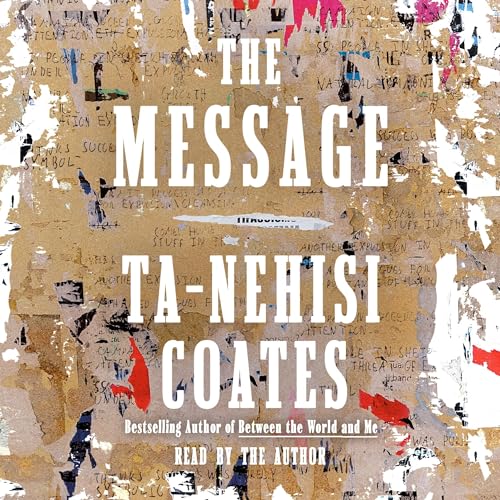
The Message by Ta-Nehisi Coates
In his latest book, The Message, Ta-Nehisi Coates takes readers on a journey to Senegal, South Carolina, and the West Bank to examine how the stories we tell—and the ones we suppress—shape our understanding of history, identity, and justice. It is above all else an eloquent argument for why honest, courageous storytelling remains one of the most important tools we have for building a more just and equitable world.
"The real value for me is how he looks at narrative as a power tool. He argues that before you can oppress a group of people, you have to build a myth that justifies it. Coates shows how to hold different struggles in the same frame without erasing what makes each one its own." —Mariana Botero, Strategy Lead
Where to buy it: Bookshop.org, Libro.fm (audiobook)
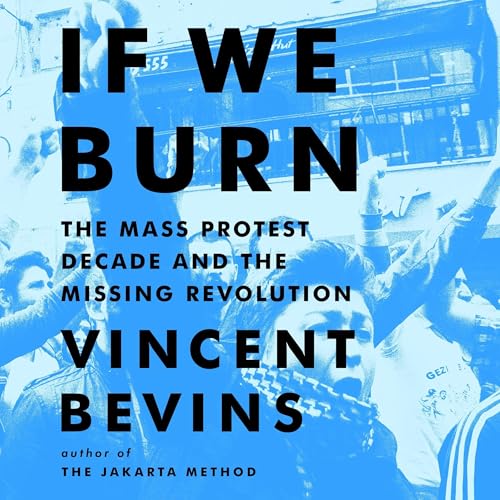
If We Burn by Vincent Bevins
How do mass movements succeed—or fail? In If We Burn, journalist Vincent Bevins chronicles the wave of uprisings—from the Arab Spring to Chile to South Korea—that made the 2010s one of the most politically active decades in modern history. But he also wrestles with why so many of these movements didn't achieve their aims. Less an autopsy than a field guide, the book examines how the hard-won lessons of the past can pay dividends in the future.
"If We Burn is one of the most thoughtful accounts I’ve read of how mass protest actually works, and why it so often falls short. Bevins takes his subject seriously, looking at an era of failed protest movements not as the end of a story but as the groundwork for what comes next. For anyone trying to understand how change happens, it’s both sobering and galvanizing." —Marlies Talay, Program Manager
Where to buy it: Bookshop.org, Libro.fm (audiobook)
Sign up for our lightweight newsletter
Insights and resources for important work